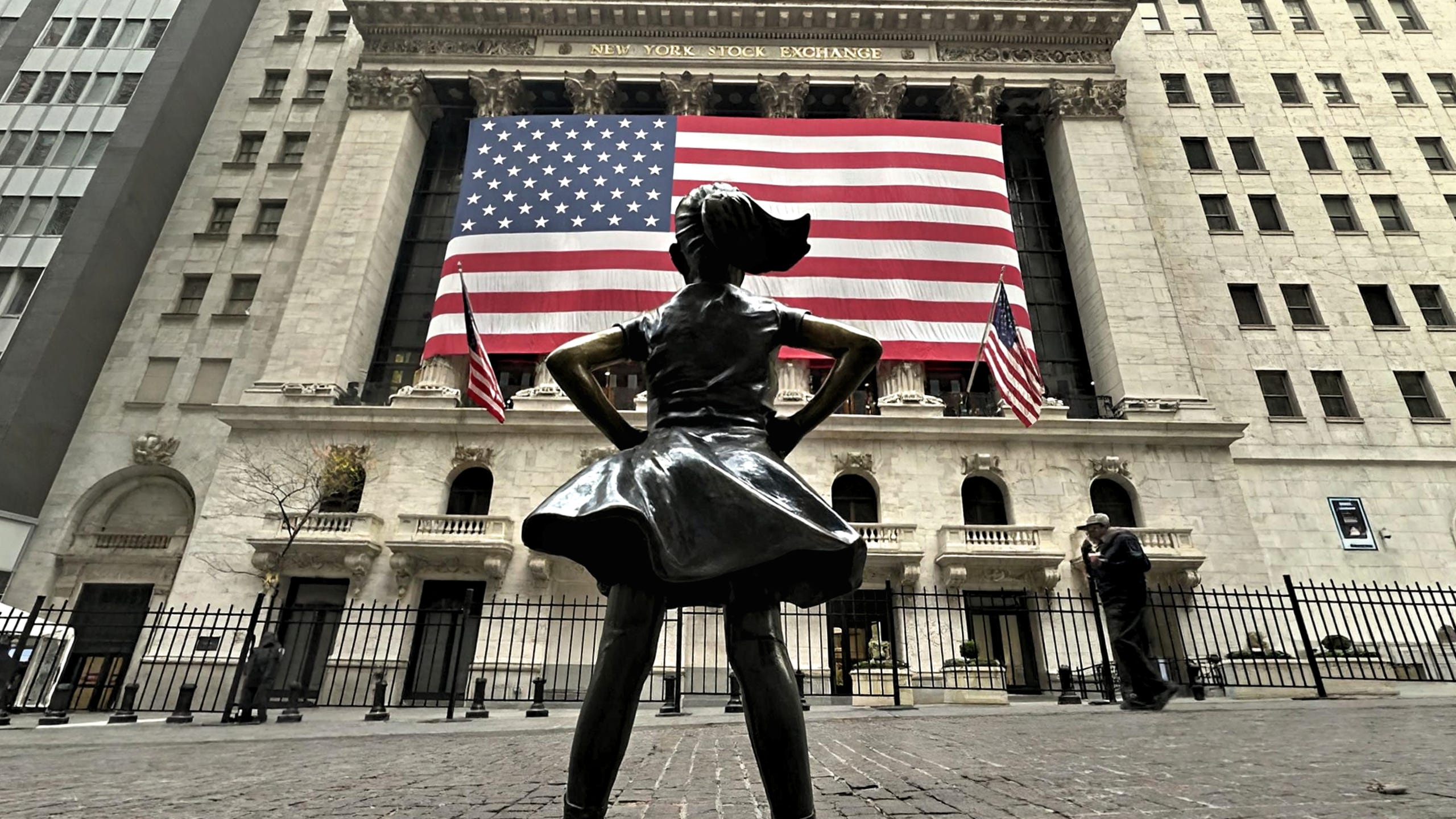
9:30 - Lower Manhattan.
A brass bell clangs. A celebrity or a CEO swings the mallet, smiles for the cameras, and the temple doors swing open. But the NYSE doesn’t require all this theater. A computer could flip the switch in silence. However, we insist on the bell, the ritual, the echo of something ancient.
Inside the temple, the faithful gather to pray. Not in words, but in patterns.
One man sits alone in a dim room in Ohio, eyes locked on green and red candles. He whispers names like incantations: “double bottom,” “shooting star,” “cup and handle.” To outsiders it’s noise. To him it’s scripture. He’s reading the entrails of price; the same way priests once read the flight of birds or the liver of a sacrificed lamb. If the pattern holds, the gods are speaking. If it fails, well, maybe he misread the omen. He never questions the method itself.
Across the ocean another believer draws golden lines across his chart—38.2%, 61.8%, sacred ratios borrowed from shells and sunflowers. The price touches the line and bounces like it was meant to. Coincidence? Or did thousands of other believers see the same line and decide, together, that this is where the floor must be? In the temple, collective faith turns geometry into prophecy.
Yet not every soul in the temple bows to the same gospel. While the faithful trace their sacred lines and light their candle altars, a quiet few stand apart in the shadows: heretics who read the same entrails and see only coming ruin.
Then there are the heretics.
They stand at the edge of the crowd, ignored or mocked. In 2006 at least four of them quietly built a position against the roaring housing choir through synthetic derivatives creating a “Big Short.” Everyone called them crazy. The music was too loud, the party too good. They were right.
Yet being right is precisely the heretic’s curse: the moment the crowd agrees with them, they must leave. The prophecy fulfilled becomes orthodoxy, and orthodoxy needs new fools to shatter it.
This is because no one is really trading ticker symbols. We are all trading stories.
Every price is a thousand whispered tales stitched together: tales of greed, terror, hope, denial. When we buy a stock, we’re buying into a narrative. Betting the congregation will keep reciting it tomorrow.
The bell rings again at four. The screens go dark. The faithful file out, carrying their amulets: lucky ties, color-coded spreadsheets, Fibonacci tattoos they’ll never admit to.
Somewhere in the shadows, a new heretic is already sketching lines the crowd hasn’t seen yet.
He knows the ancient secret: every god was once a heretic, every prophecy a fool’s mad scribble. The market does not crave the truth. It craves new stories. And for new stories to be born, old ones must die.
So the bell will ring again tomorrow. And somewhere in the world, a Sacred Fool sharpens his blade for the next beautiful blasphemy.