

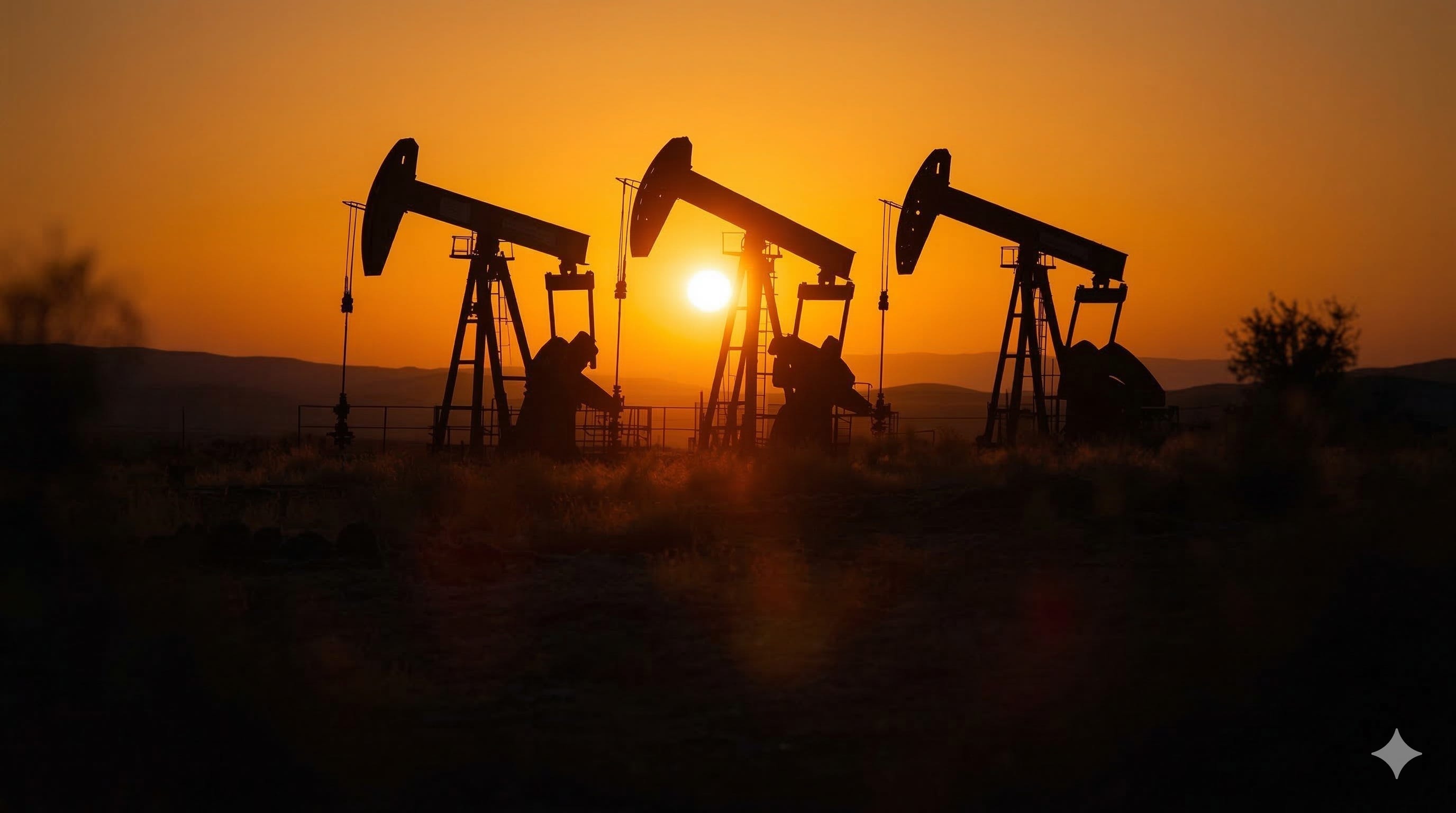
On February 28, 2026, the United States and Israel launched coordinated strikes on Iran under a codename that sounded like a movie on a summer blockbuster: Operation Epic Fury.
Next morning, by the time I finished my morning coffee, the Strait of Hormuz had effectively closed: 200 tankers sat anchored outside it, going nowhere. No way in, no way out. At that moment, the world just remembered something it had quietly agreed to forget.
The Chokepoint
Here are the numbers, because they matter:
Every single day, roughly 20 million barrels of oil pass through the Strait of Hormuz. That’s 20% of the world’s daily supply, moving through a corridor you could almost swim across. Saudi Arabia, Iraq, Kuwait, Qatar, the UAE. They all pour their energy wealth through this narrow throat.
Within hours of the strikes, Iran’s Revolutionary Guard was broadcasting on marine radio: no ship is allowed to pass. Tanker traffic dropped 70% almost immediately. Insurance companies cancelled war-risk coverage overnight. The math was simple: the cost of crossing just became incalculable.
By the time markets opened, Brent crude had surged past $100 for the first time since Russia invaded Ukraine. By this past weekend, it briefly touched $120.
Qatar declared force majeure on gas contracts. Iraq and Kuwait began shutting in oil fields, not because they were targeted, but because with the strait closed, there was simply nowhere to send the oil.
Why Markets Were Caught Looking the Other Way
Here’s the uncomfortable truth: None of this was secret.
The Strait of Hormuz has been the world’s most critical and most fragile energy chokepoint for decades. Iran has threatened to close it before. They staged a partial military exercise drill just two weeks before the strikes, so the signal was there. The markets just chose not to price it.
Goldman Sachs estimated the current risk premium baked into oil at around $14 per barrel. At the same time, forward contracts for January 2027 were still sitting near $70 just days ago. In other words: the market was simultaneously panicking in the present and shrugging about the future.
This is the paradox at the heart of every geopolitical shock. Markets are brilliant at pricing what’s already happening. They are structurally terrible at pricing what could happen, especially when it hasn’t happened in a while.
The Anatomy of a Panic: Three Phases
Every geopolitical oil shock runs the same playbook. Learning to recognize which phase you’re in is worth more than any price target.
Phase One: The Spike.
Mechanical, fast, automatic. Insurance collapses, tankers anchor, algorithms sell. Brent goes from $70 to $100 in days. This phase is driven by physics, not psychology. It happens whether you panic or not.
Phase Two: The Story.
This is the dangerous one. Headlines compound. Experts say this is “unprecedented.” Correlations converge and everything falls altogether. Investors make permanent decisions based on temporary conditions that damage their portfolios.
Phase Three: The Settlement.
Then comes settlement. The strait reopens. Allianz Research’s baseline scenario puts Brent back near $70 by year-end, regardless of whether it hits $130 on the way. Oxford Economics, Alpine Macro, and Goldman all tell similar stories. The spike is real. The permanence is not. It’s a duration problem, not an existential one.
So before any trade, one question is worth asking: am I reacting to the event, or to my story about the event? If your finger is hovering over the sell button on your core positions right now, you already have your answer. The Strait of Hormuz has been a loaded gun for fifty years. Markets knew this. They just found it easier and probably more profitable, to look away. The missile wasn’t the surprise. The forgetting was.
History doesn’t repeat, but it rhymes with remarkable precision. The 1973 embargo. The 1990 Gulf War. The 2019 Saudi Aramco strikes. Each time, the panic felt permanent. Each time, it wasn’t. The market has a short memory by design, because forgetting is what allows it to be surprised again, and surprise is what creates opportunity. The question was never whether this would happen. It was only ever whether you’d remember that it had.
The trick never changes. Only our willingness to be fooled again.
The missile wasn’t the surprise. The forgetting was.